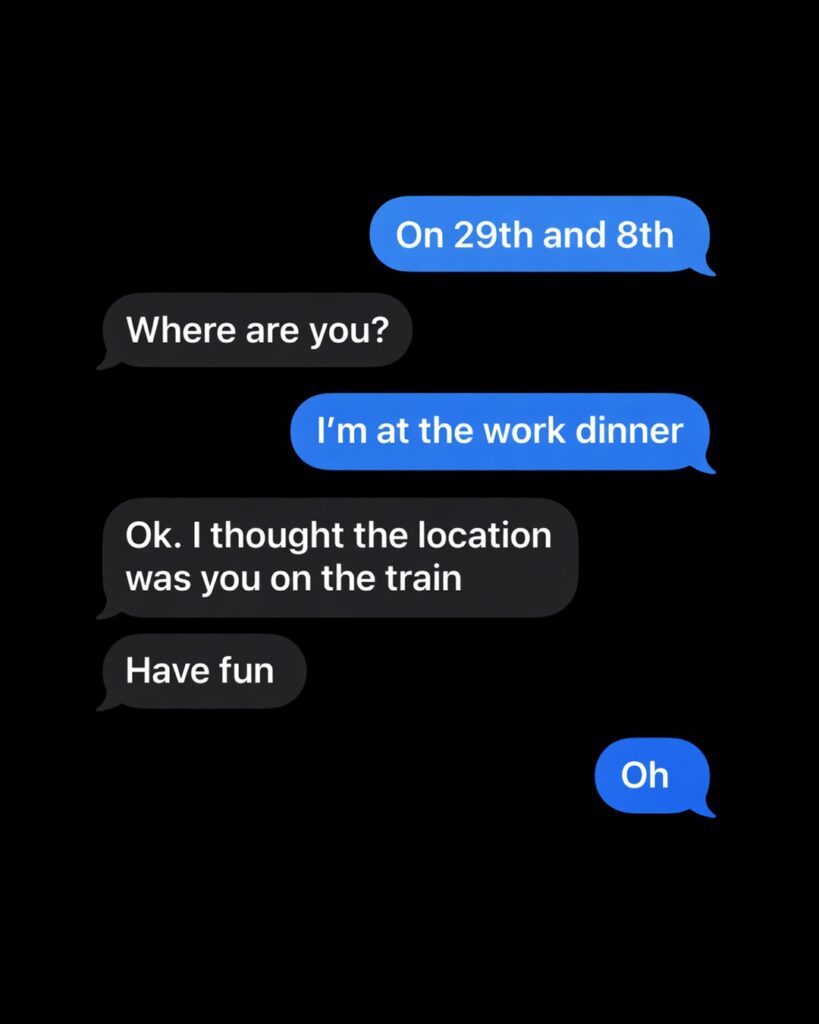
My wife misunderstood me. I texted her that I was going to a client dinner, downtown from their conference in Midtown. My message “On 29th and 8th” meant that I was closer to home, so my commute would be faster.
She knows my communication patterns better than anyone… and it still didn’t land where I thought it would.
Nine times out of ten, when I share my location, I’m on the subway signaling how close I am to home. This time I was at a restaurant, not in transit. Similar message, different meaning… and when I didn’t walk through the door, she called me out on the gap almost immediately.
I think about this story whenever I see AI being spoken to in natural, human language. If you have misunderstandings with people who know you best, how much are you leaving out when you give AI a paragraph of unstructured thought?
This trend is accelerating. Bloomberg Businessweek’s March edition reports that voice-to-text tools are spreading through offices as workers ditch keyboards to dictate emails, code, and AI prompts. Proponents say it’s faster. But faster doesn’t mean clearer.
I’m a talking thinker, so I get the appeal. But when I tried dictating for higher-stakes work, it took several rounds of back-and-forth to get the right results. My spoken thoughts had plenty of detail… they just had no structure.
In mid-conversation with an AI tool, I took the extra step of separating my first draft into at least two categories: context and instructions. I saw the same thing with my own work, and then again with clients. It cut their iteration time in half and improved what came back.
Context is what the AI needs to know about your situation. Instructions are what you want it to do with that information.
Most people blend them into a single block, and the AI will still try to work it out. But the gap between a blended prompt and a structured one shows up fast in the quality of what comes back.
What would change about your team’s AI output if every prompt started by separating what the tool needs to know from what you need it to do?
Originally published on LinkedIn