I could tell I was having a creative week by how stiff my neck was.
After years hunched over a keyboard, bouncing ideas from keyboard to cursor to colleague, I was proud of how many of them became real. Creaky joints and sore back muscles were a sign that real work was getting done.
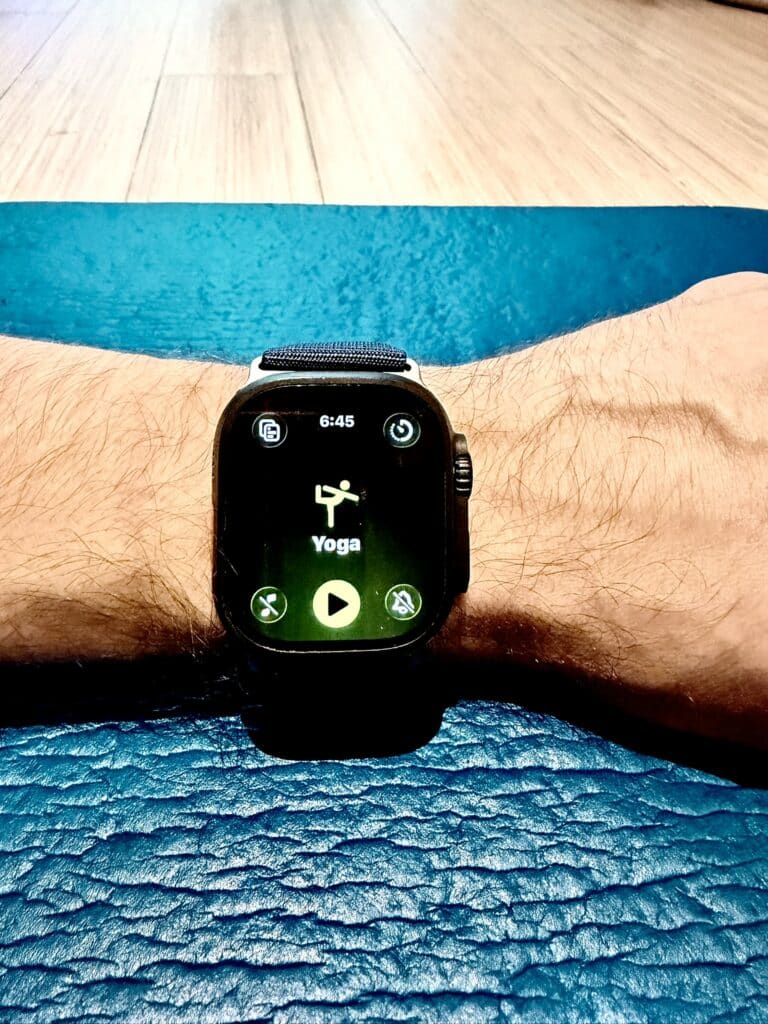
Two years ago today, I decided to recalibrate the scars of my inventiveness with daily yoga.
Expected increases in strength, endurance, and stability were accompanied by unexpected improvements in mental agility.
Every day, I noticed the effects of the previous days’ activities: poor posture, over-exercise, lack of sleep. I adjusted for them on the mat and at the keyboard. Choosing my most physically agile days for creative work was the key to producing more of it.
In the Fantastic Four, Reed Richards’ brilliant mind became pliable alongside his elastic body. In a small way, two years of stretching did the same for me. It’s not just Marvel magic.
A growing body of research confirms that consistent yoga practice makes a person think faster and more clearly, and adapt to new situations.
Adaptability at work is no longer optional.
Our deliverables haven’t changed much in two years, but how we do them is unrecognizable. Plus, businesses and clients now expect better, faster, and more.
Then: Automation took expert consultants, a big budget, and weeks documenting current state.
Now: Applying AI creatively delivers target state in days.
The leaders I see struggling stopped stretching. Facing pressure to cut costs and grow value, they still hire consultants instead of giving their teams the tools, trust, and responsibility to apply AI creatively.
This morning on the mat, I know that my frustration-free movement will flow into an inventive mindset. I bring that confidence to the keyboard and choose to create useful things.
Originally published on LinkedIn